Kategori: Media
-
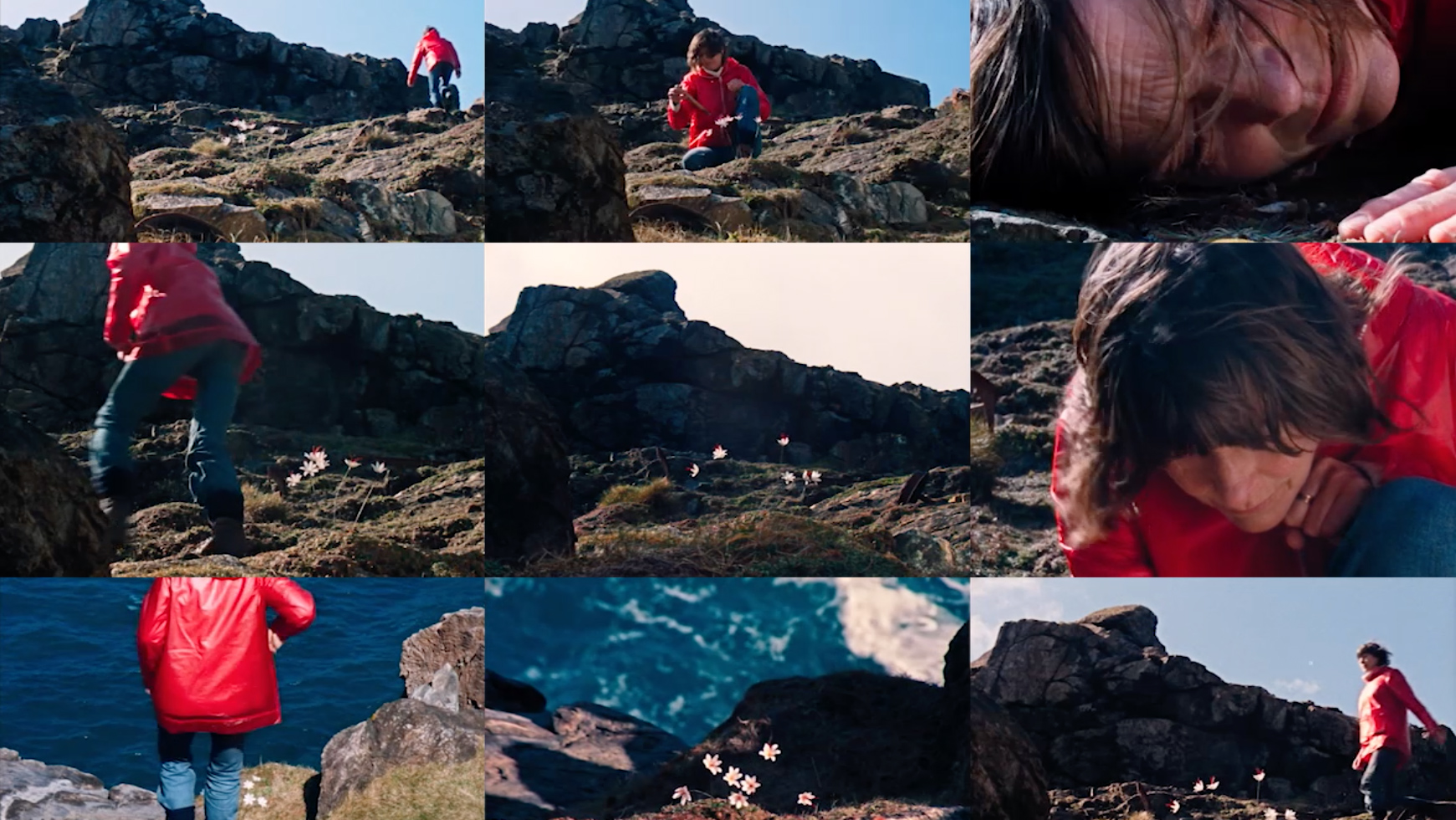
The Present Is the Past Is the Present: Sonic Repetition and Temporal Distortion in Enys Men
VIDEO ESSAY. Steven Sehman, in his video essay on Enys Men (2022), examines the effect of filmmaker Mark Jenkin’s highly repetitive soundtrack on the film’s sense of time. Linear temporality relies on a cause-and-effect syntax: this will lead to that. But what happens when extreme repetition subverts such causality? Does time continue to move forward? Does it stand still? Or does it move into the past?
-
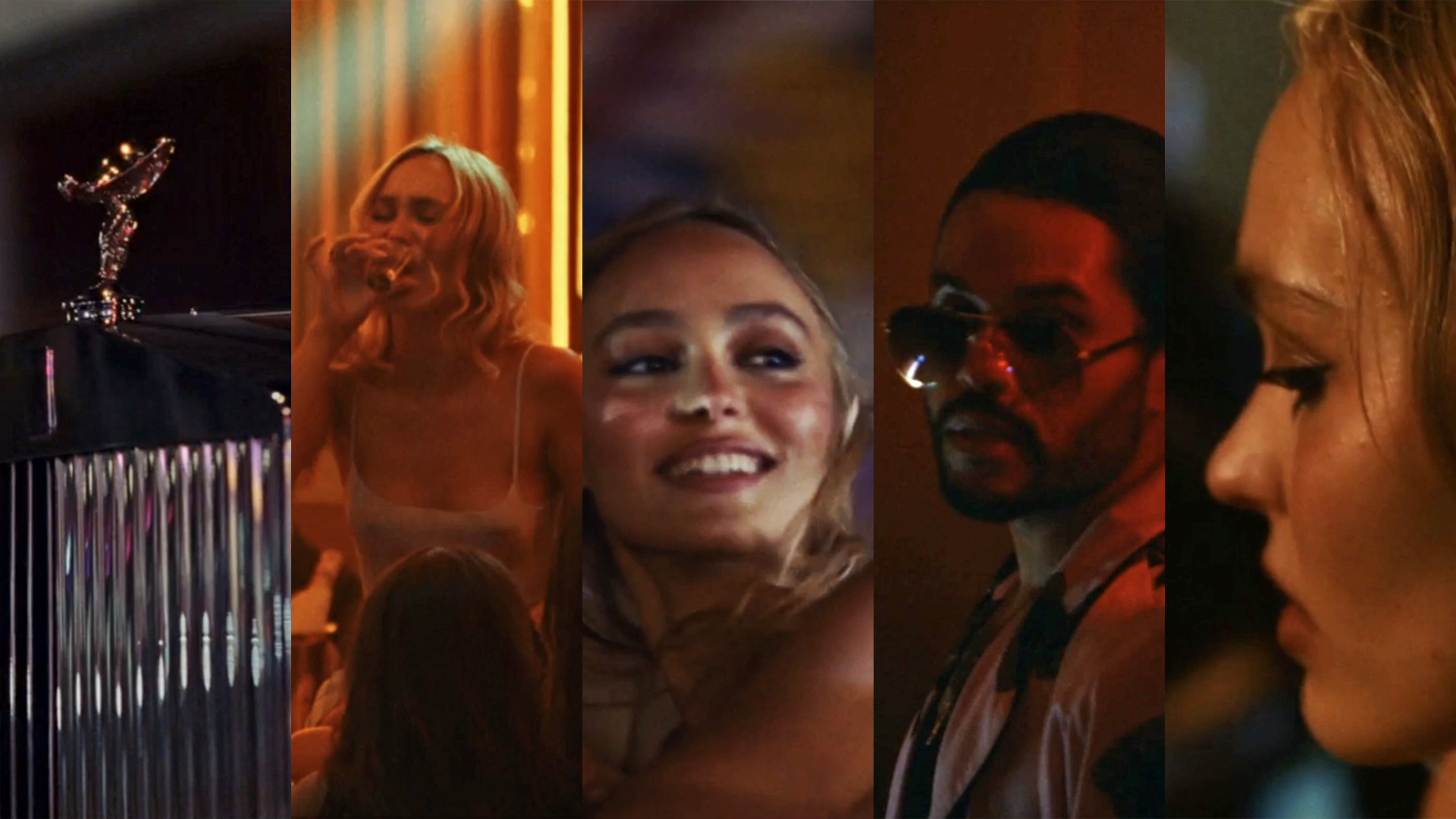
Deep cuts: Cross-time editing in The Idol, Fresh and X

VIDEO-ESSAY. Film editing can usually be divided into two different approaches: Continuity and discontinuity editing. But what aesthetic possibilities exist between these very different principles, and how can an audiovisual work of art challenge this stark contrast? Alexander Kjems Christensen explores these questions in this video essay, where excerpts from Ti West’s X, Sam Levinson’s The Idol and Mimi Cave’s Fresh serve as the primary examples.
-
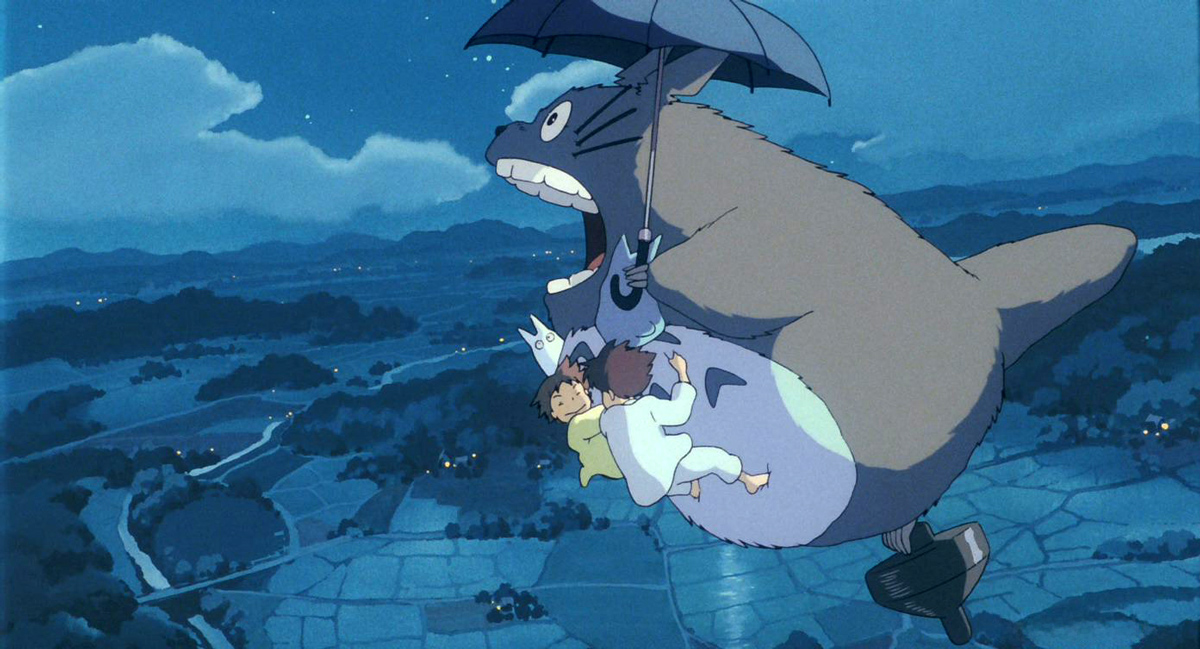
En eksplosion af farver! Animeformatets mange ansigter

VIDEO-ESSAY. Hvad er japansk anime egentlig for en størrelse? Denne artikel, og medfølgende videoessay, fremhæver tre værker, der viser, hvor mangfoldigt anime-formatet er; hvor mange genrer anime kan optræde inden for og ikke mindst, hvor forskelligt anime kan komme til udtryk både i form af stil, målgruppe og stemning.
-
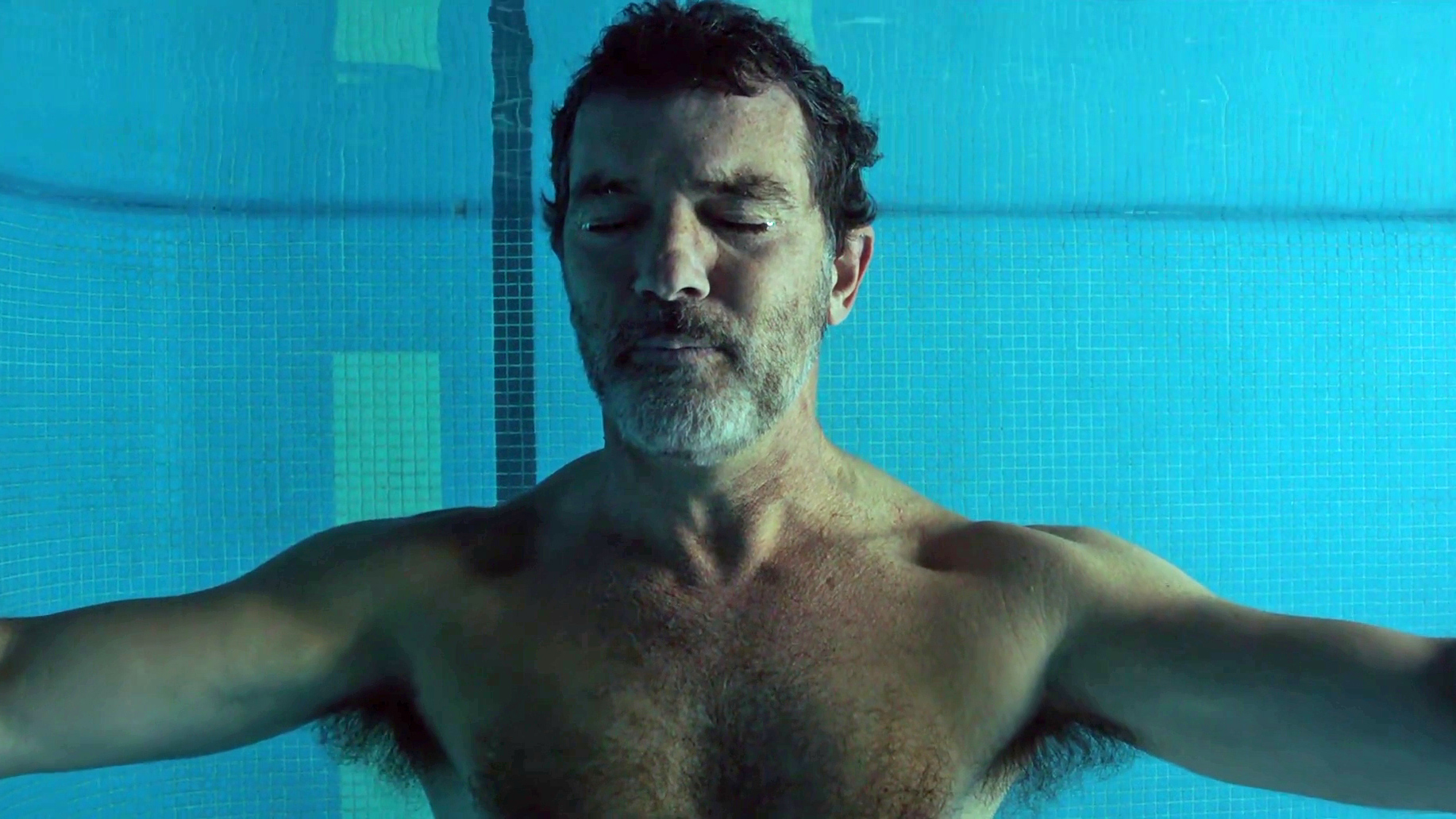
Fabricating Almodóvar: Pain & Glory

169 SECONDS. This audiovisual essay approaches the intimate link between artistic invention and queer emotion in Pedro Almodóvar’s films Law of Desire (1987), Bad Education (2004) and Pain & Glory (2019). It combines visual and music excerpts from these three films to illustrate the dual role of memory as a creative tool and emotional support in navigating the undesirable present.
-
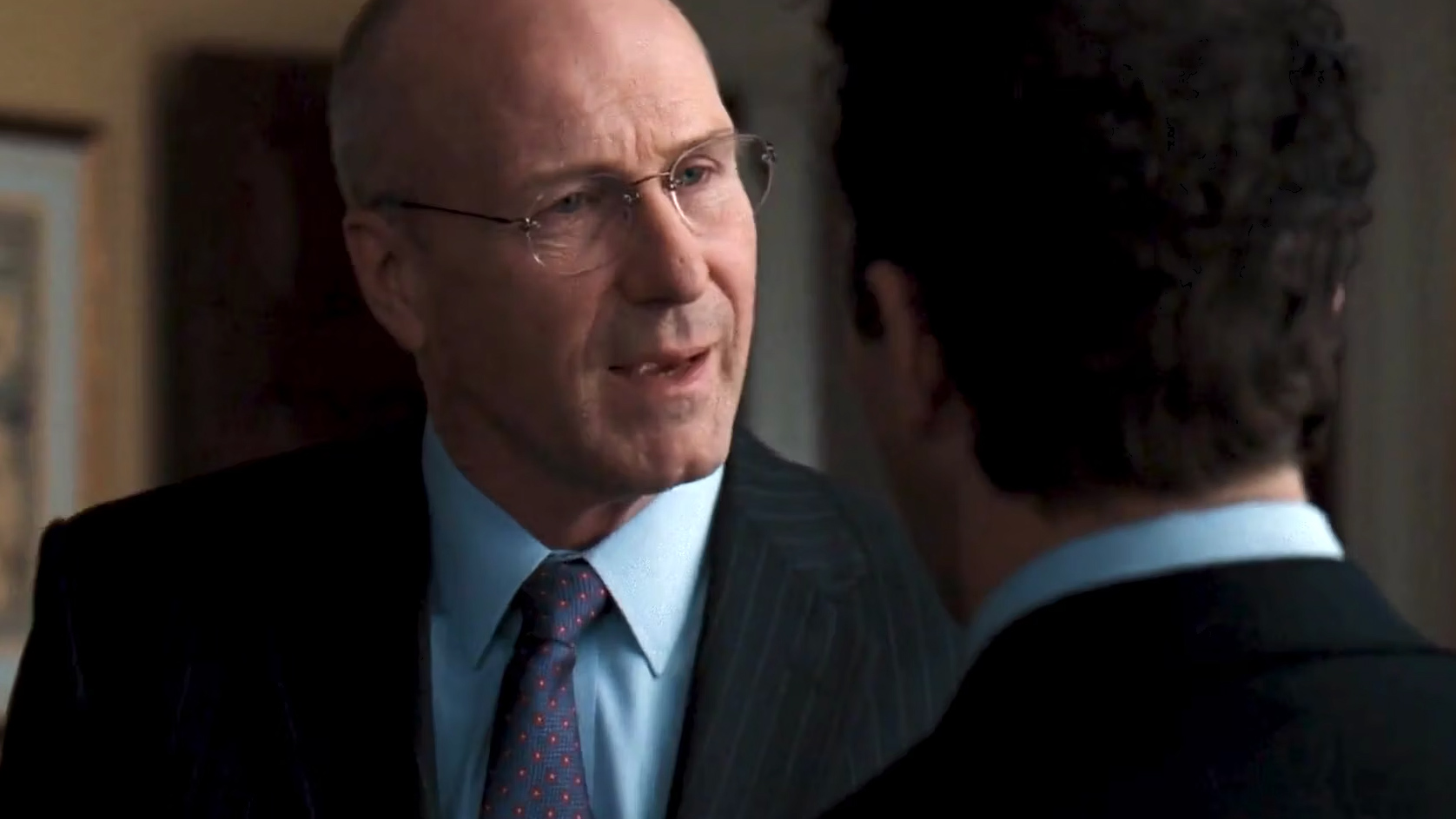
169 Seconds: 2008 – A Crisis Glossary

169 SECONDS. Alan O’Leary’s 169 Seconds: 2008 – A Crisis Glossary deals with two films on the 2008 financial crash, Too Big To Fail (2011) and The Big Short (2015). The video essay ambivalently foregrounds the pleasure that the films provide by granting access to a masculine world of jargon and capital. Financial terms are combined alphabetically for an absurd experience that perhaps makes a nonsense of its subject.
-
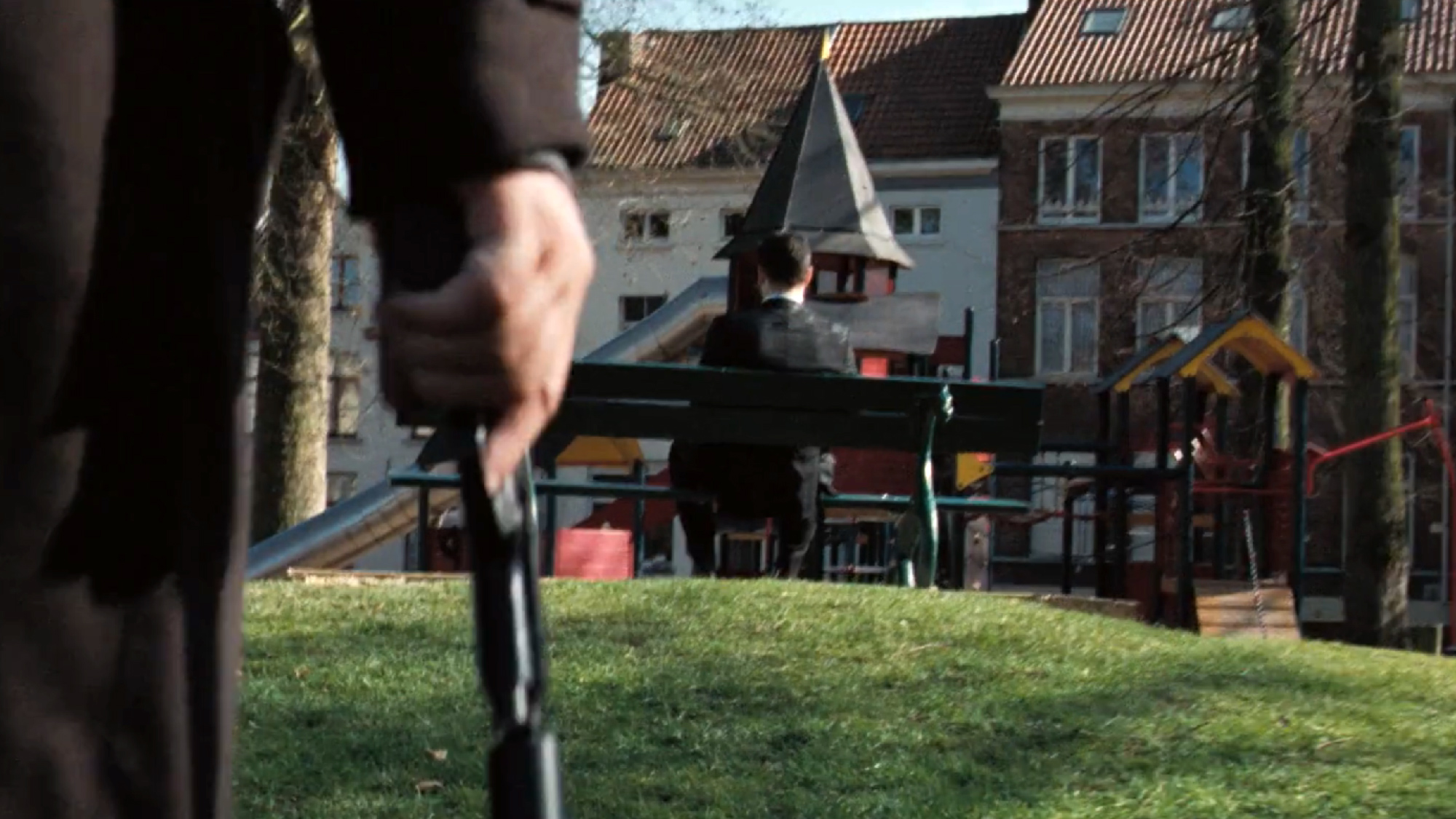
169 Seconds: In Bruges and What It Means to Be Human

169 SECONDS. What does it mean to human? Martin McDonagh’s In Bruges about two out-of-luck hitmen is a bleak and humorous genre film that seeks to answer that question. The film is essentially a tale of compassion and love in the face of absurdity and frailty. In this jubilee instalment of 169 Seconds Jesper Haarup Borchmann highlights the humanism of In Bruges.
-
169 Seconds: Causality in The Square

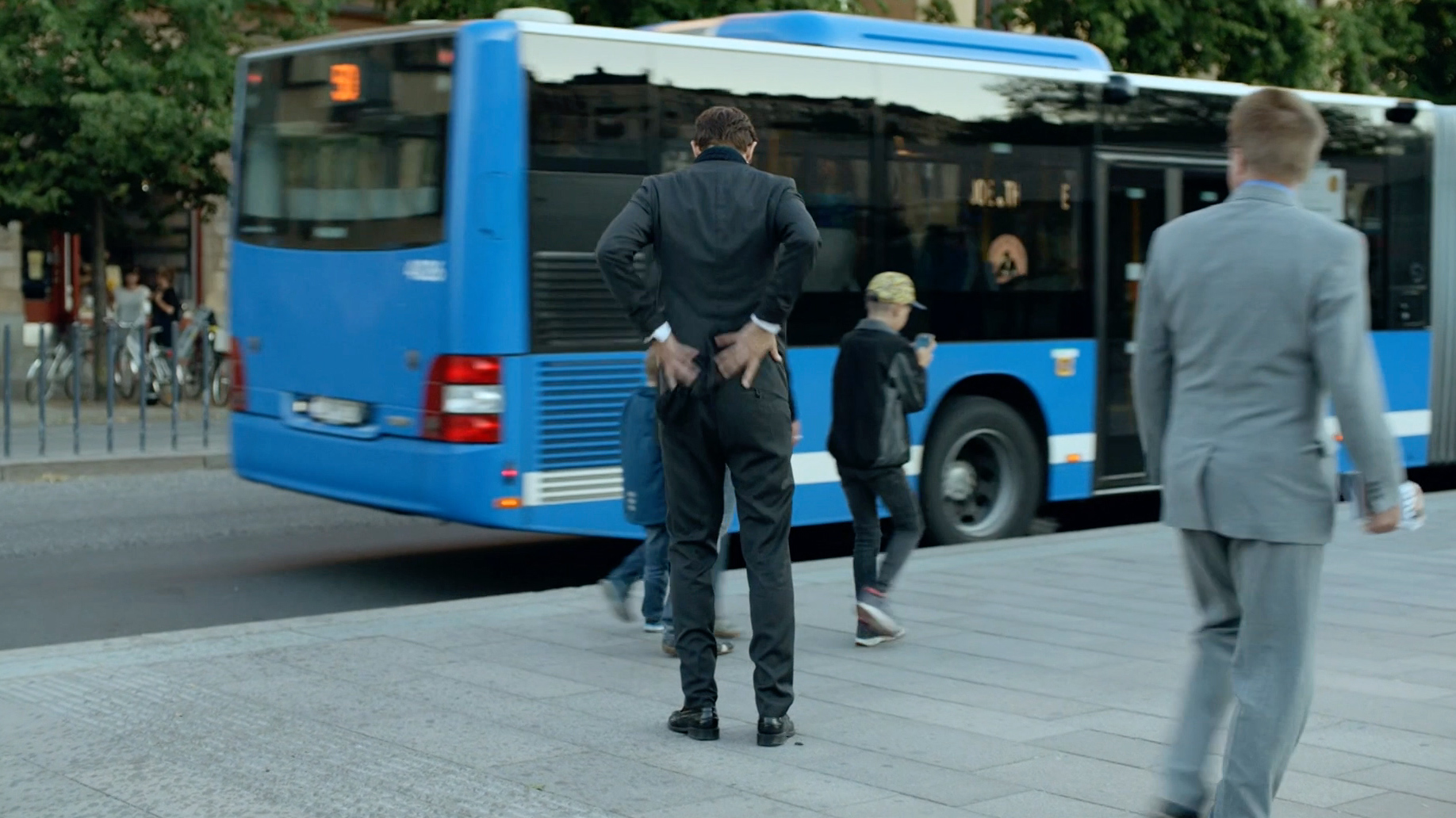
169 SECONDS. Film narratives often follow a logic of causality, with one incident naturally leading to another. In Ruben Östlund’s The Square (2017) we seem to witness such typical relations of cause and effect, yet the narrative gradually spirals out of control: actions do have consequences, but in the truly plural sense of one action leading to more than one outcome. In this jubilee installment of 169 Seconds, Mathias Bonde Korsgaard explores the film’s narrative mechanisms.
-
16:9 Podcast: 16:9 fylder 20 år

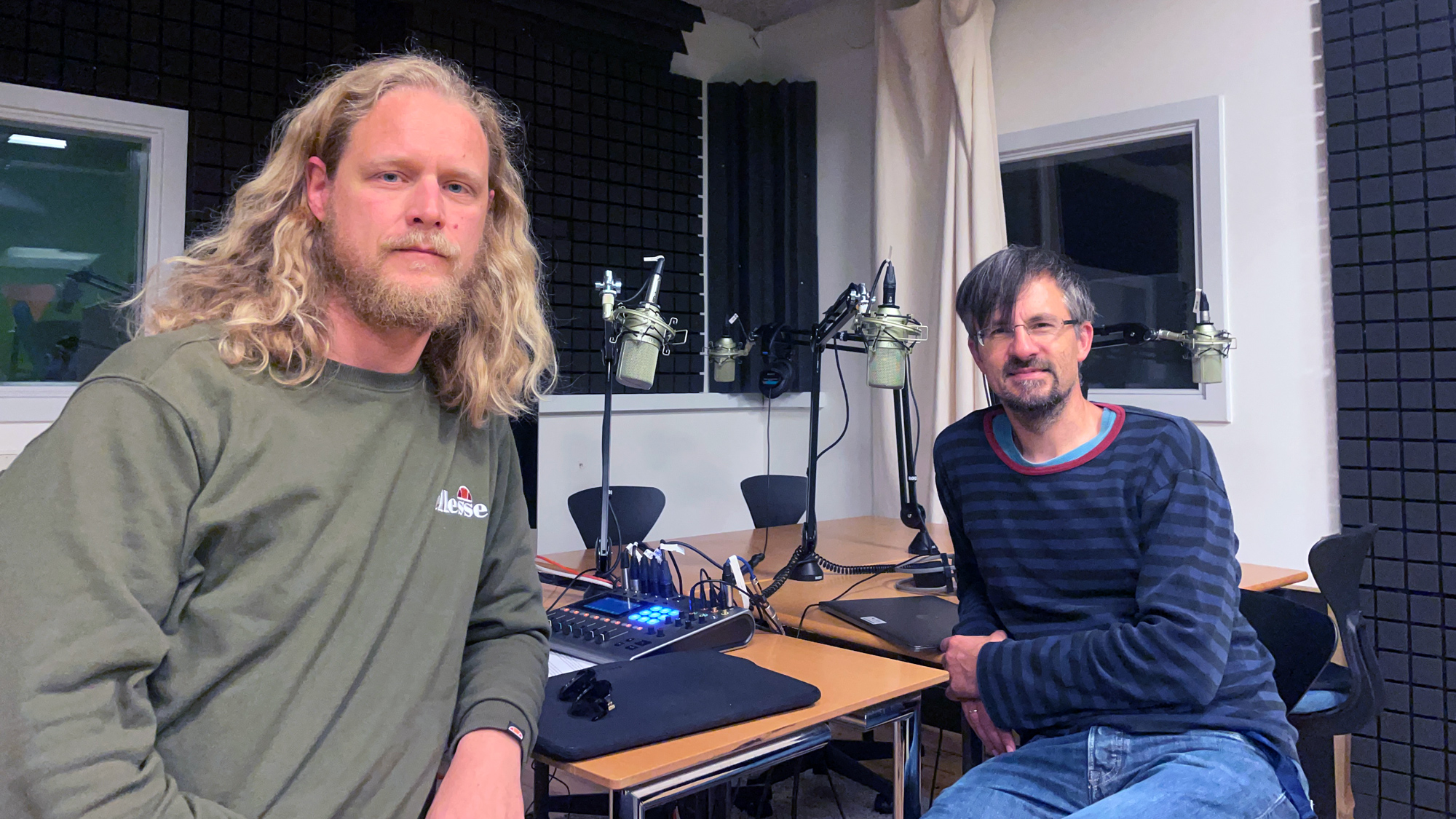
PODCAST. I anledning af at 16:9 her i 2023 fejrer sit tyvende år, ser redaktørerne Mathias Bonde Korsgaard og Jakob Isak Nielsen tilbage på filmtidsskriftets udvikling i tidens løb og diskuterer hvordan det afspejler filmkritikkens generelle udvikling i den samme periode.
-
169 Seconds: What tree trunks really look like

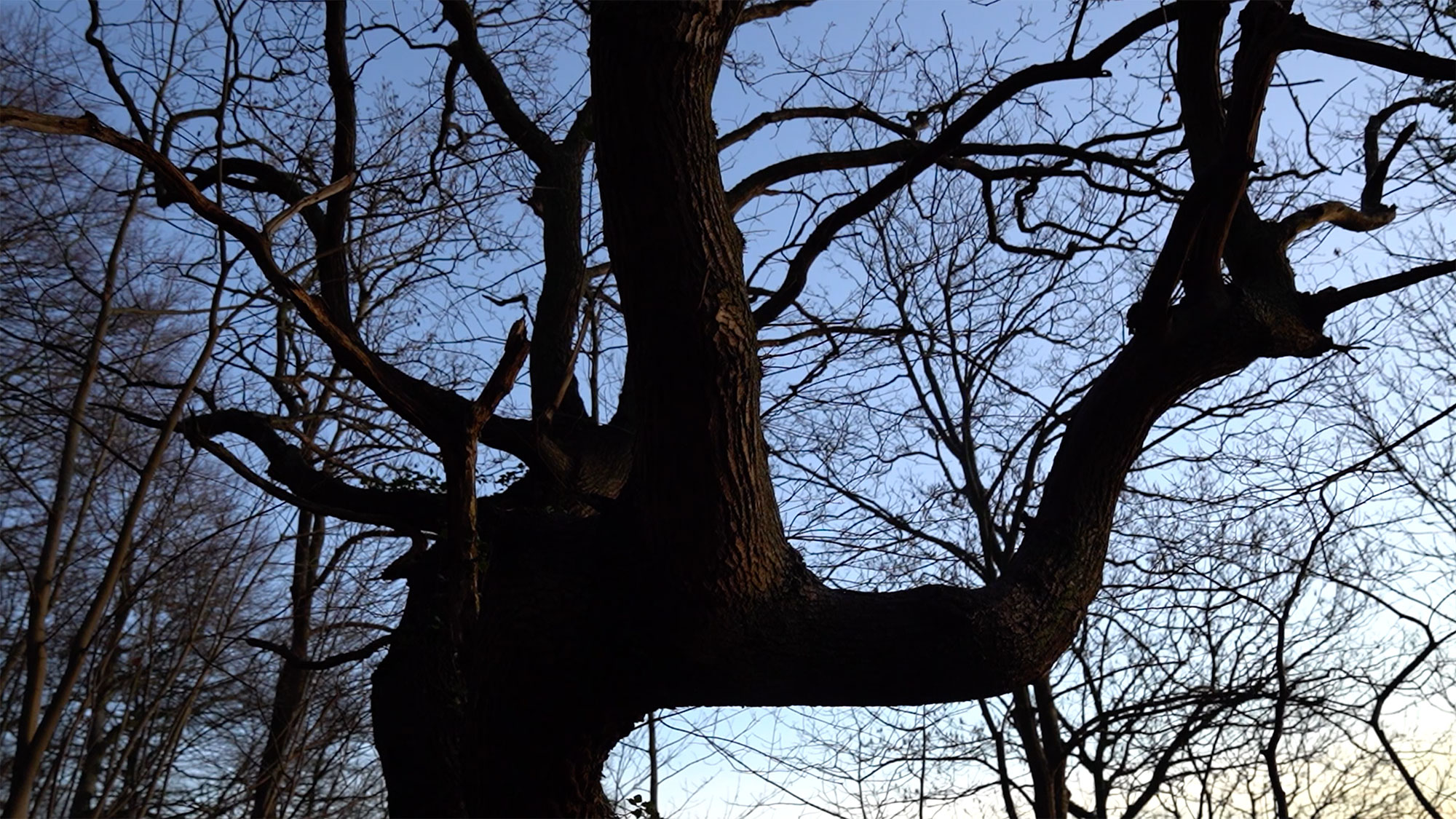
169 SECONDS. What is it that filmmaking does to our relation to time and place? In this installment of the jubilee series of 169 seconds, Steffen Moestrup embarks on a small essayistic journey along with Margaret Tait to reflect on the question of cinematic – and worldly – time and place.
-
169 Seconds: Una mujer reflejada / A Reflected Woman

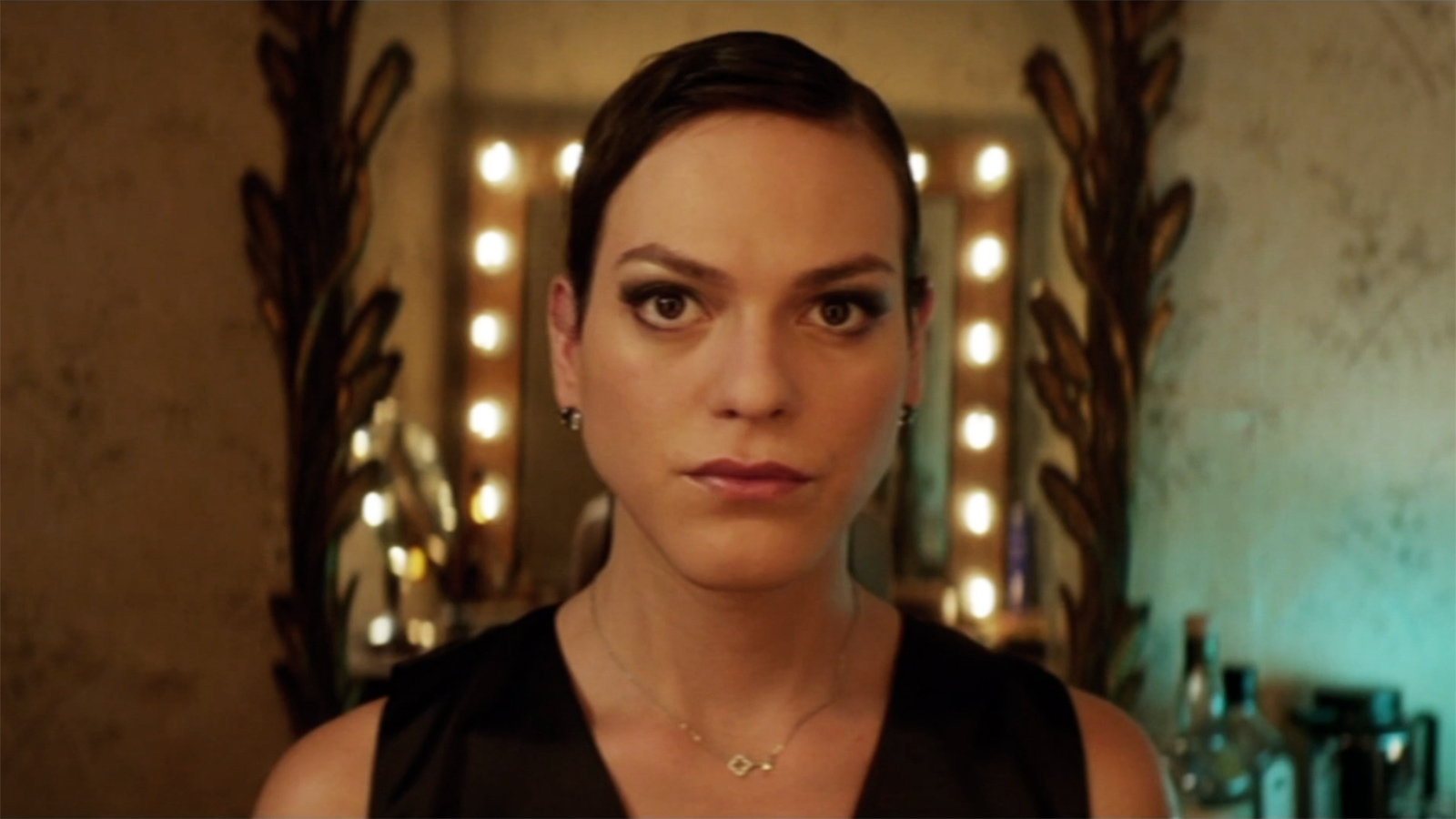
169 SECONDS. In this installment of our jubilee series of 169 Seconds, Catherine Grant collects mirror and reflection sequences from the 2017 Chilean film Una mujer fantástica and ponders their significance in this narrative of queer melancholia and mourning. The film stars Daniela Vega, a trans actress and mezzo-soprano, who, in the closing moments of the film, sings the song that accompanies the essay: “Ombra mai fu”, the opening aria from Händel’s 1738 opera Serse.
-
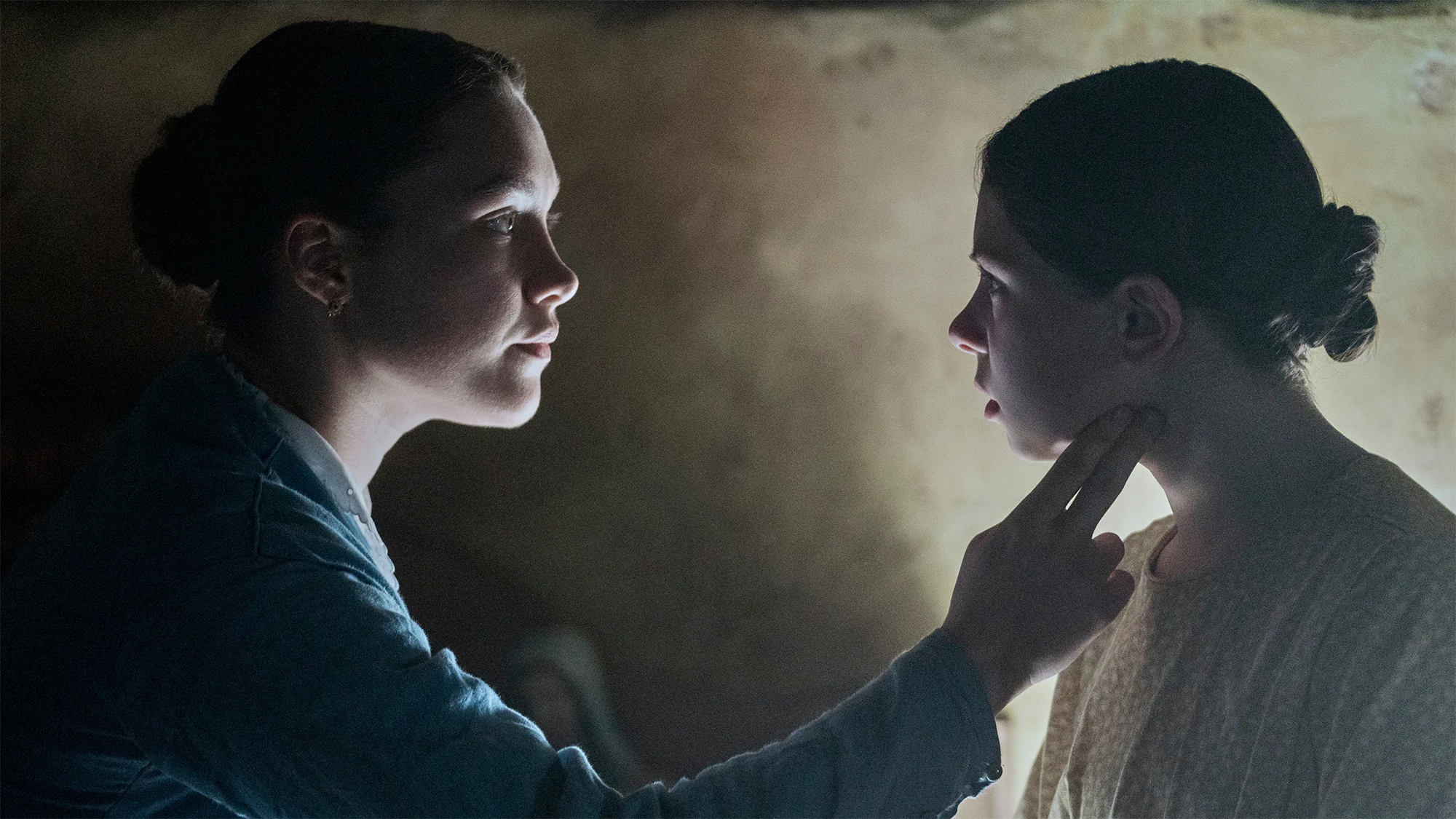
169 Seconds: The Wonder of Illusory Depth Cues – the use of depth cues in the opening scene of Sebastian Lelios The Wonder

169 SECONDS. In Sebastian Lelios The Wonder from 2022 the initial camera movement quite literally takes us from the film studio where the film is shot and into the world of the English nurse Elizabeth Wright in 18th century Ireland. Do you wonder how?
-
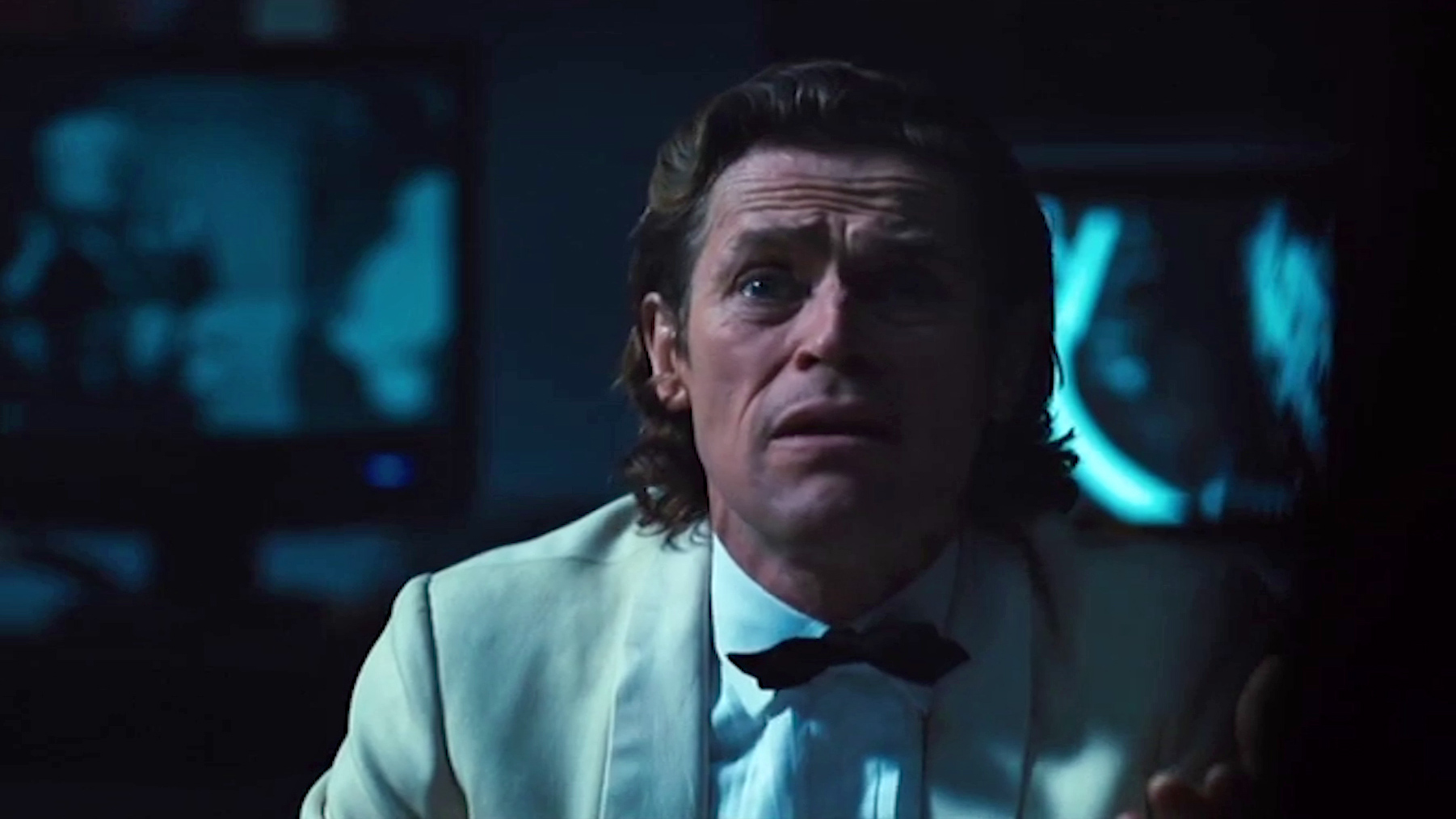
169 Seconds: Waiting For The Miracle
169 SECONDS. In this wonderful instalment of 169 Seconds, made in conjunction with the 20th anniversary of 16:9, Cristina Álvarez López and Adrian Martin explore Abel Ferrara’s independent film Go Go Tales (2007), focusing on its use of Dreyer-like long takes and tour de force performances. In Go Go Tales, Ray Ruby (Willem Dafoe) is desperate, but in one particular scene Ferrara and Dafoe deliver a small miracle. All we have to do is watch and wait.