Kategori: Media
-
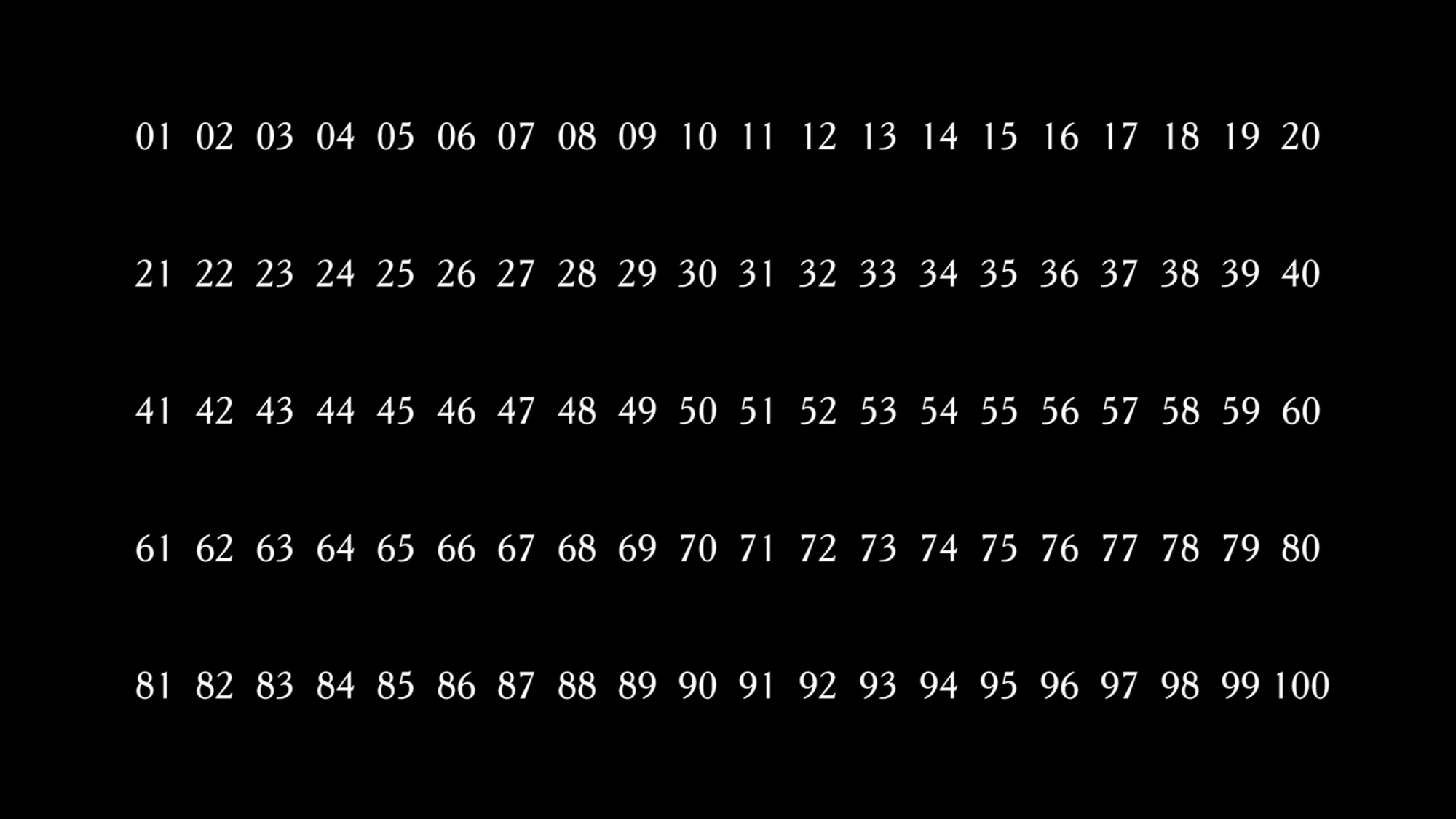
The 100 Best Movies of the 21st Century: “But What Do They Sound Like?”

VIDEO-ESSAY. Rounding out the “One Hundred Movies Walk into a Bar…” series, Ariel Avissar’s “But What Do They Sound Like?” turns an ear to the first sounds of the films on The New York Times list. Often heard before the first image appears, these opening notes shape mood, tone, and expectation, revealing recurring sonic patterns across a quarter century of cinema.
-

The 100 Best Movies of the 21st Century: “Seen, Heard: Language Use in the ‘Best Movies’”

VIDEO-ESSAY. Jeffrey Romero Middents’ “Seen, Heard: Language Use in the ‘Best Movies’” listens to the languages used in the New York Times list and ponders how those languages (and lists like this) affect the curation and canonization of “world cinema.” What does the cinematic world sound like, and are the films we watch/listen to in the 21st Century different from those we venerate from the 20th Century?
-

The 100 Best Movies of the 21st Century: “One Hundred (Lonely) Movies Walk Into a Bar”

VIDEO-ESSAY. This piece from the “One Hundred Movies Walk into a Bar…” series features Benedetta Andreasi’s dismantling of the visual choices made by The New York Times’ editors. “One Hundred (Lonely) Movies Walk Into a Bar” redesigns the list by reframing the pictures’ subjects and interfering with the reader’s experience of the list.
-

The 100 Best Movies of the 21st Century: “All About Numbers: 100 Films – 11 Women”

VIDEO-ESSAY. If anything shines in 21st-century film production, it is the remarkable presence of female filmmakers. Yet The New York Times list includes only 11 titles by women – and just 1 by a woman of color. Barbara Zecchi’s “All About Numbers: 100 Films – 11 Women” lifts the curtain of discrimination to reveal what lies beneath and provocatively envisions an alternative list.
-
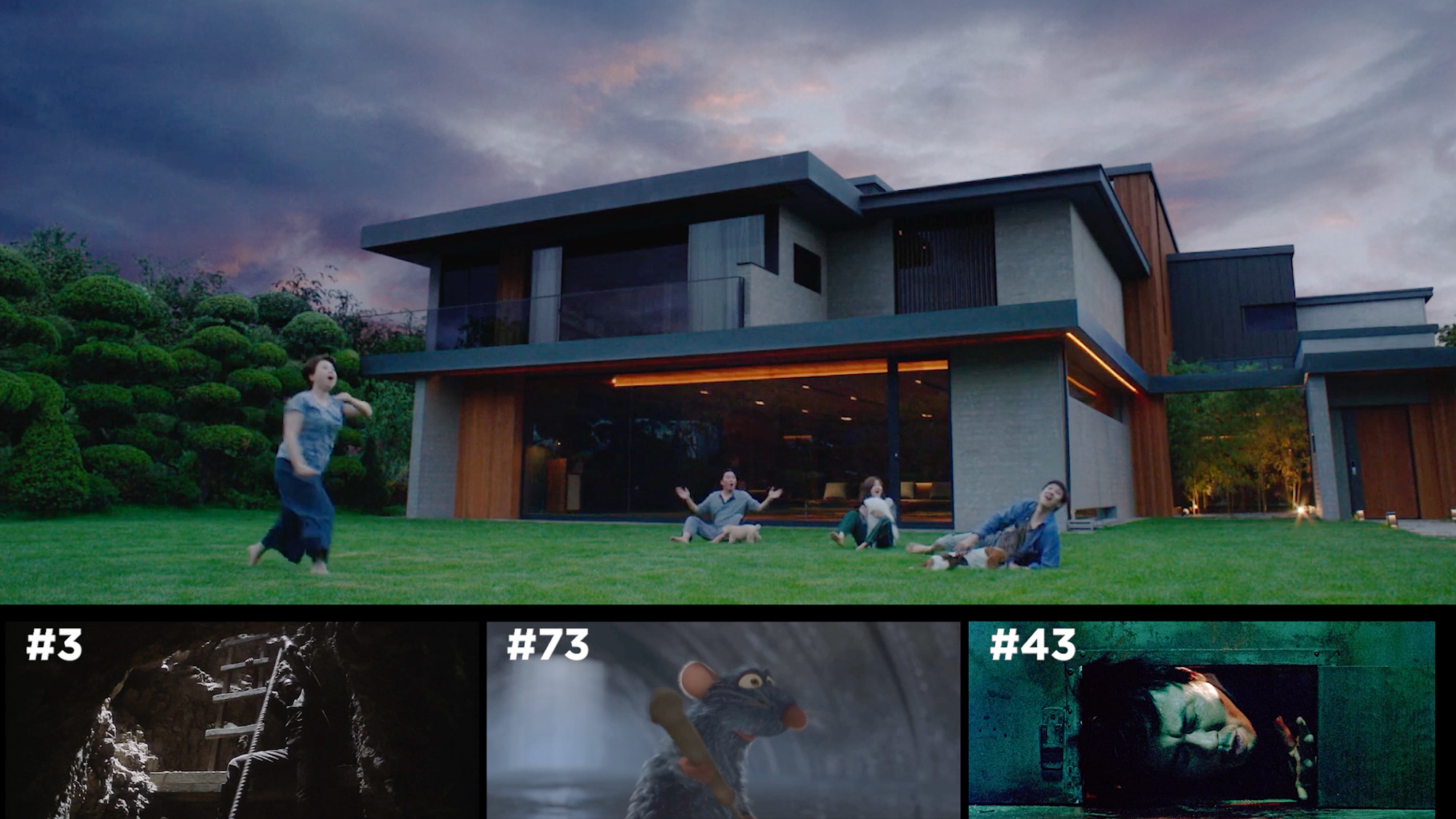
The 100 Best Movies of the 21st Century: “Parasite and the Ones Below…”

VIDEO-ESSAY. Wickham Flannagan’s “Parasite and the Ones Below…” highlights the top film in the New York Times list, Parasite, and explores how that number one choice can reflect and reiterate many of the movies listed below it. Within this juxtaposition, many connections arise either purely through a communal visual language or from the consistent messaging that many of the films convey.
-
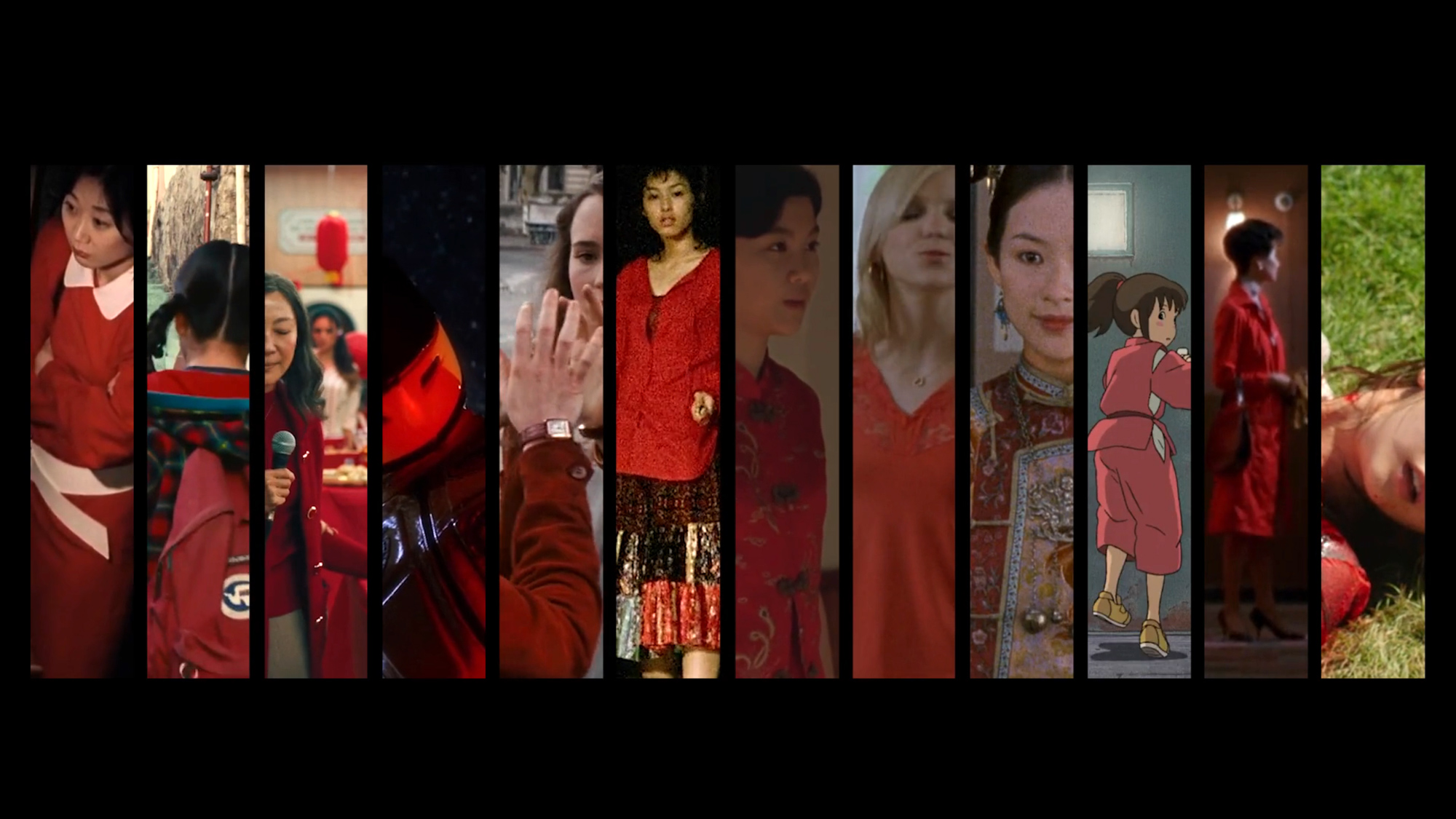
The 100 Best Movies of the 21st Century: “See Under: Orient”

VIDEO-ESSAY. Kicking off the “One Hundred Movies Walk into a Bar…” series, Colleen Laird’s “See Under: Orient” examines films from The New York Times list from or set in East Asia. Through formal gestures and layered definitions that embrace a knowingly “plastic” aesthetic, the video stages a self-reflexive look at how the imagination of the “Orient” continues to circulate within American (US) film culture.
-

The ParAIax View
VIDEO-ESSAY. What happens when AI remakes one of cinema’s most haunting political thrillers? In “The ParAIax View”, Ariel Avissar collaborates with AI text and image generating tools to restage the infamous montage sequence from The Parallax View (1974), reflecting on the generative and unsettling potentials of human–machine co-authorship.
-
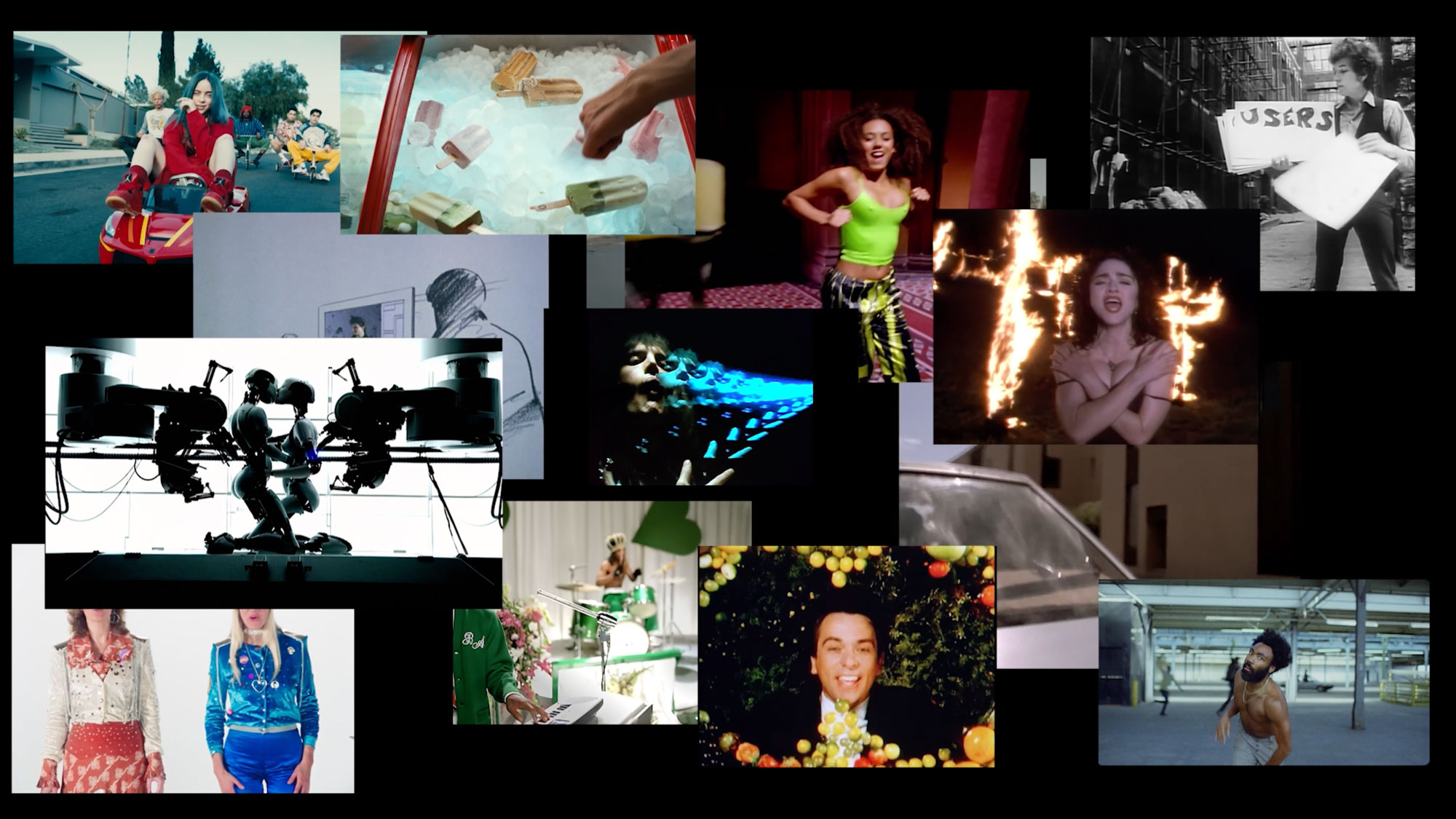
The History of Music Video in 169 Seconds

169 SECONDS. Past music video scholarship has only rarely touched upon the issue of canonization and accordingly there have been almost no discussions of which music videos that could amount to canonical status. In this brief video essay and accompanying written article, Mathias Bonde Korsgaard aims to redress this lack and asks whether you can recount the entire history of music video in a mere 169 seconds.
-
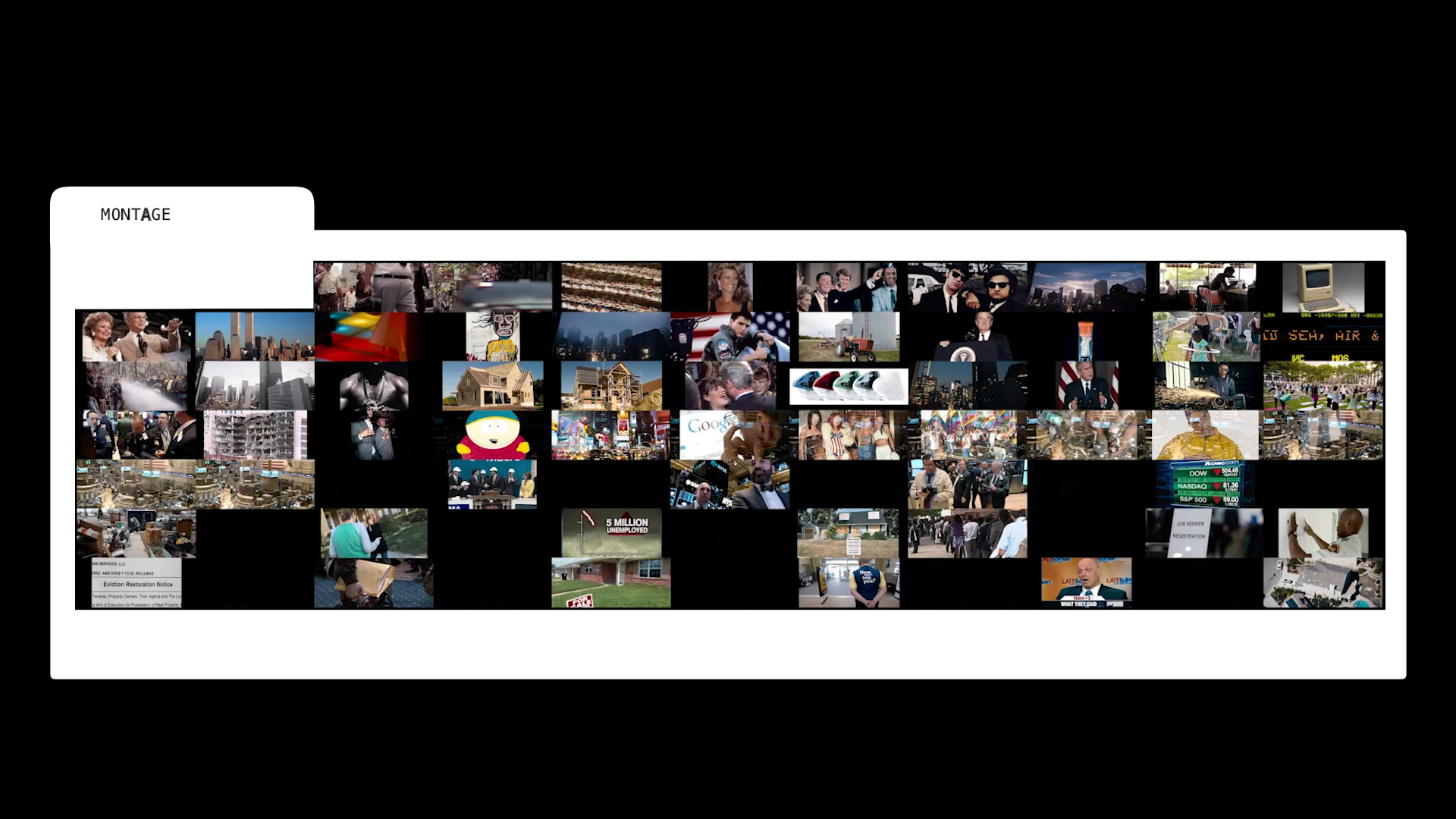
Classif. & Me (Laird’s Constraint)

VIDEO-ESSAY. ‘Classif. & Me’ analyses the opening montage from The Big Short (Adam McKay, 2015) and is modelled on the analysis performed by Colleen Laird of Helter Skelter (Ninagawa Mika, 2012) in her virtuoso 2023 video essay ‘Eye-Camera-Ninagawa’. Riffing on Laird’s work allows Alan O’Leary to protest and playfully satirize certain scientific aspirations in videographic criticism.
-
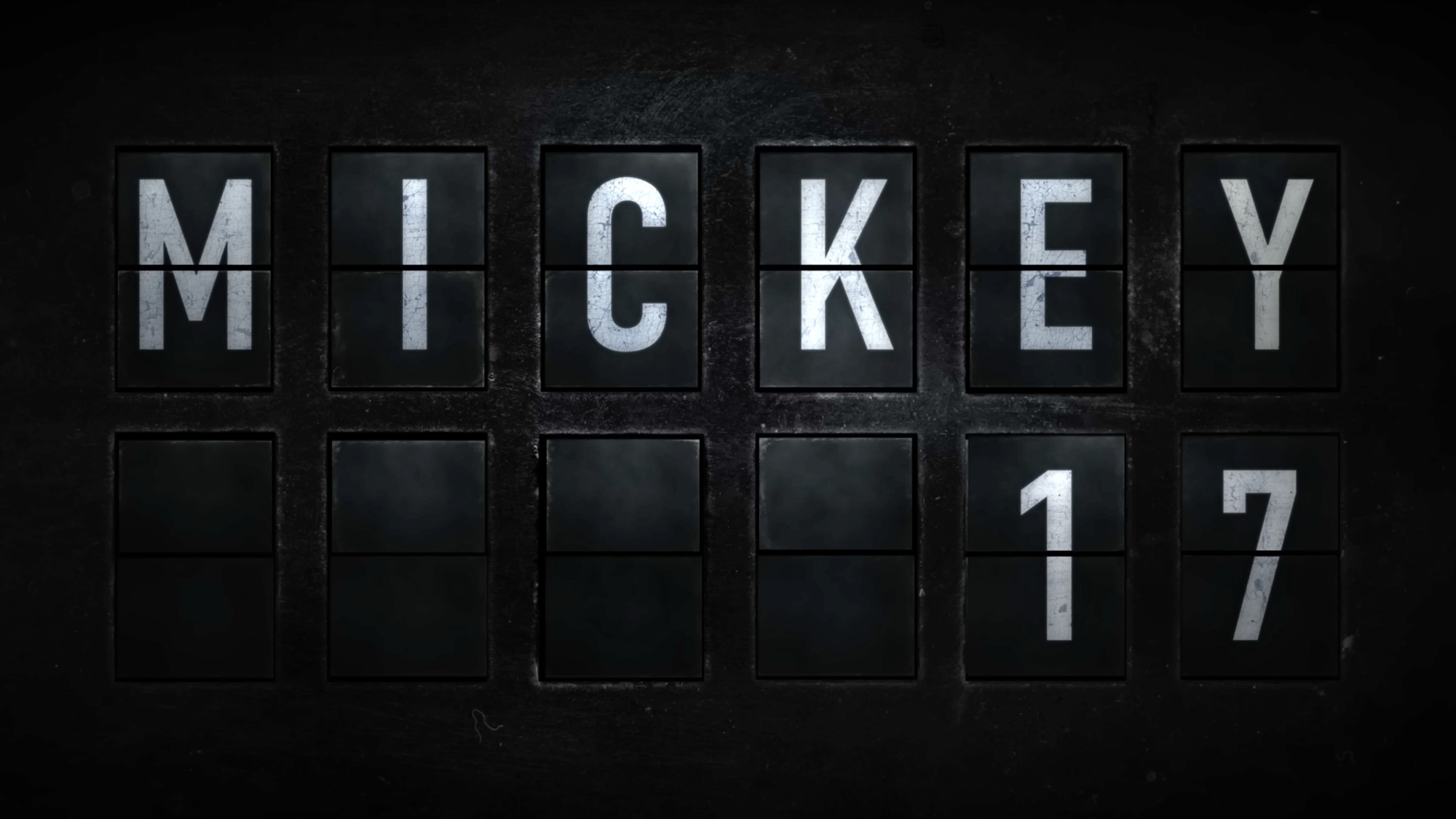
16:9 Podcast: Bong Joon-ho

PODCAST. I 2020 blev Bong Joon-hos Parasite den første ikke-engelsksprogede film til at vinde en Oscar i kategorien “Best Picture”. Nu omtrent fem år senere er Bong Joon-ho langt om længe klar med en opfølger, nemlig den engelsksprogede sci-fi-film Mickey 17. I den anledning kigger Jakob Langkjær og Mathias Bonde Korsgaard i denne podcast tilbage i den sydkoreanske instruktørs filmografi og giver gennem udvalgte nedslag et portræt af Bong Joon-ho som filmskaber.
-
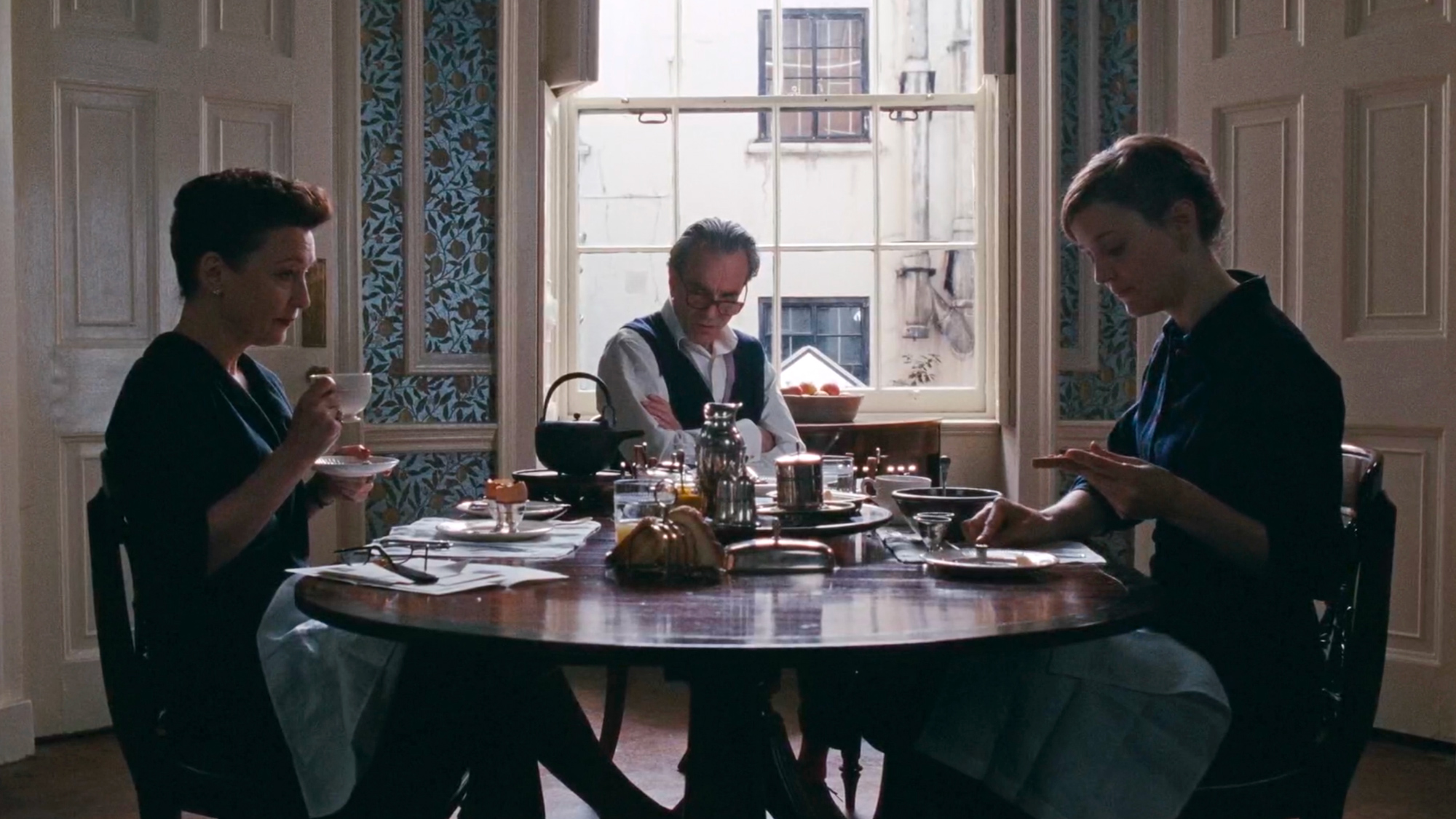
169 Seconds: “Mr. Woodcock detests too much butter”

169 SECONDS. In what was to be the last film in Daniel Day-Lewis’ highly acclaimed career we follow fashion designer Reynolds Woodcock and his muse Alma. Paul Thomas Anderson’s Phantom Thread is a film where food becomes emblematic of the drama and the differences between the two main characters. In this 169 Seconds, Jesper Mejling Clausen zooms in on some of the meals in the film.
-

16:9 Podcast: Blockbusteren som filmfænomen
PODCAST. Hvor er blockbusteren på vej hen som filmfænomen? I denne 16:9-podcast sætter Jakob Langkjær sammen med Andreas Halskov, Jakob Isak Nielsen og Alexander Kjems Christensen blockbuster-formatet under lup og kommer undervejs bl.a. ind på blockbusterens særlige kendtegn og historie, Marvel-franchisens dominans, Greta Gerwigs kønspolitiske kæmpesucces Barbie, Top Gun Maverick som non-CGI-film og Tom Cruise som forkæmper for biografoplevelsen, samt ikke mindst, hvad blockbusteren egentlig betyder for vores fælles filmkultur.